
Why one Value Proposition isn’t enough: Building true Sustainable Business Models and Brands for impact

A single value proposition is often insufficient for building a true Sustainable Business model and Brand. As sustainability demands creating and balancing diverse types of value for multiple stakeholders, not just paying customers or shareholders.
Why one value proposition is not enough
Sustainable businesses operate in complex environments, where success depends on addressing economic, social, and environmental needs in tandem. Relying on a single value proposition typically focused only on customer benefit or financial gain, overlooks opportunities and obligations to deliver value more broadly, such as to employees, communities, regulators, ecosystems, and future generations.
The need for multiple Value Propositions
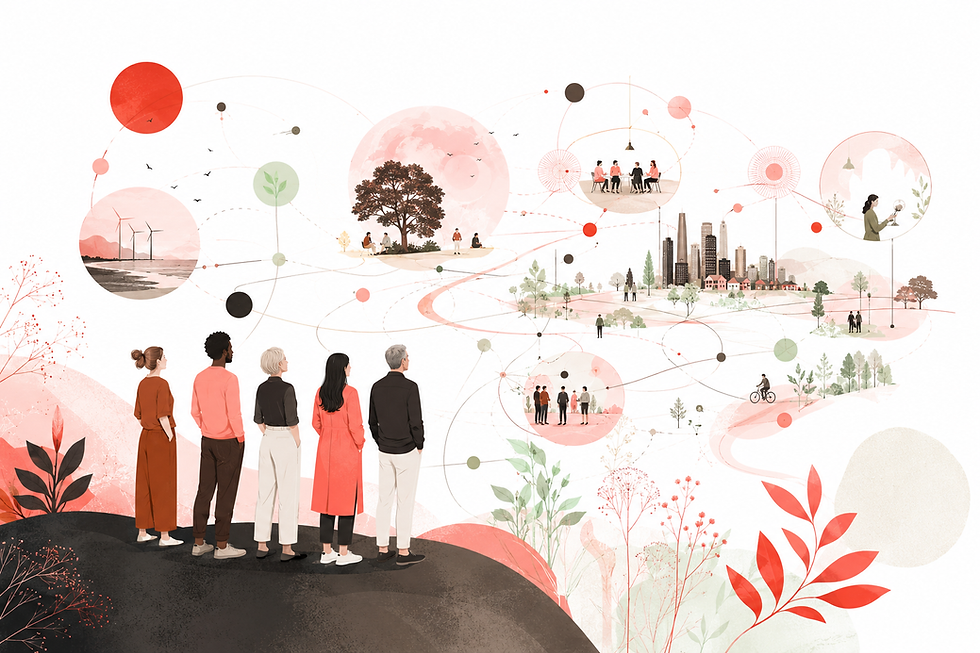
When working with stakeholder mutuality and engagement businesses should develop distinct value propositions tailored for each stakeholder group, including customers, employees, investors, communities, and the environment. This approach recognizes reciprocal responsibilities and benefits. Primary reasons are:
· Sustainable impact: Addressing only one dimension (often economic) can lead to trade-offs or externalities that undermine long-term viability or social license to operate. A set of value propositions allows for alignment across interests, risk reduction, and deeper impact.
· Collaboration and innovation: Multi-stakeholder value propositions foster collaboration, opening new paths for innovation and shared value creation. This can build resilience, unlock new market opportunities, and help overcome sustainability challenges.
Steps to develop multiple Value Propositions
1. Identify stakeholder groups relevant to your business and sustainability goals.
2. Map their respective needs, expectations, and contributions, what value do they seek and what can they offer?
3. Articulate tailored value propositions for each group, ensuring these are complementary and aligned with the overall sustainability ambitions.
4. Make them a single and clear Promise, that is relevant and unique. What is relevant and unique to one group may vary from another.
5. Integrate these into your business model, measuring economic and non-economic outcomes and refine as stakeholders engage with your company over time
This perspective helps businesses become more adaptive, resilient, and impactful, driving both profits and purpose for the long term
One value proposition is not enough for truly sustainable business models and brands. Genuine sustainability demands multiple, layered promises that create value for customers, society, the environment, and all stakeholders involved. Brands that champion sustainability do so by aligning their operations with the transition to a circular economy and encouraging others to rethink what’s possible, not just for profit, but for collective, long-term benefit.
Ready to build a true Sustainable Brand?
Building a true Sustainable Brand building is about integrity, transparency, and innovation within the Circular Economy. If your organization is committed to going beyond single, surface-level value propositions, it is time to develop a sustainable business model that leads with integrity and impact.
Explore our practical innovation tool “The Brand Value Circles” for building true Sustainable Brands.

Comments